The kind of results we get:
100+ new leads
for a local service business in four months using video ads.
1,000+ LinkedIn Followers
for a new B2B company using a video podcast.
$41k
in a single evening using a fundraising video.
This page has one job: save us both time.
Before we jump on a call, I want you to have a pretty good idea of what I actually do and whether it makes sense for your business.
Because I don't just make videos.
I use video to solve different kinds of marketing problems: generating leads, building an audience, launching a brand, explaining a complicated offer, raising money, and more.
Below are four recent projects. Each one started with a different problem.
Find the one that sounds most like yours.
Then we'll skip the sales pitch and get straight into the strategy.
— Luke
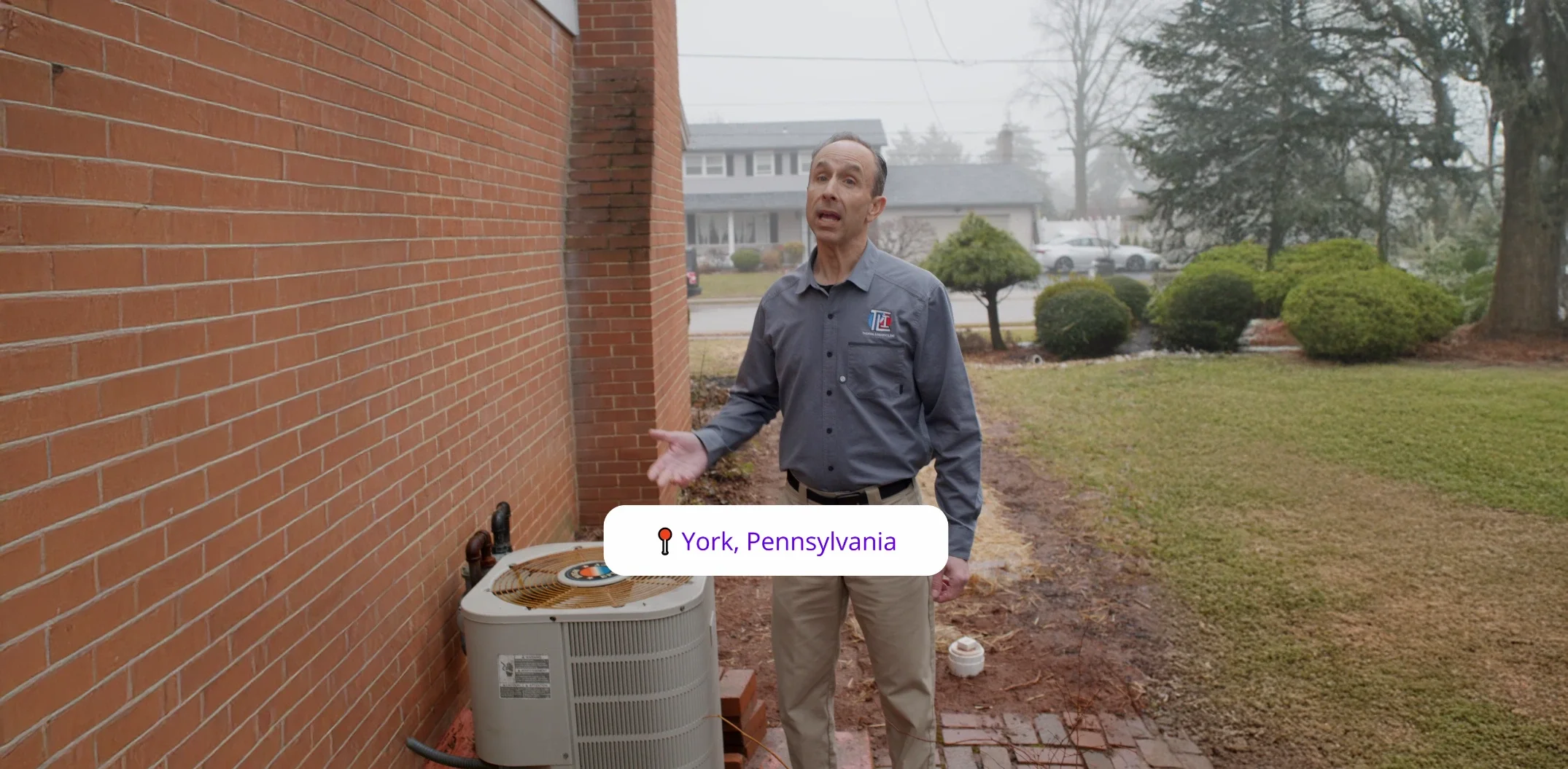
1. Thermal Logistics | York, PA
The problem: no predictable way to get new customers (lead generation)
Before we started, new business came from referrals, word of mouth, and some unreliable Google search ads. They did good work, good reputation, but had no system. Some months were great. Some weren't. There was no way to know which kind of month was coming.
What we did: Filmed their actual team talking about actual results. No AI or stock footage. We turned those videos into short ads. Ran them to homeowners in their service area on Facebook and Instagram.
That's it. No website rebuild, no rebrand, no twelve-month content calendar. One filming day every few months, then ads that gather leads from the right people.
What happened: Over 100 qualified leads in four months, the lowest cost we saw was about $37 per lead.
Why this one matters: the ads worked because the footage was real. Not stock. Not a script read by an actor. Their customers, on camera, saying what they actually thought. That's the part most ad agencies can't produce — and it's the part that makes the ads convert.
2. Plated Food Service | B2B startup, pre-launch
The Problem: a real business that looked brand new.
They had a strong product and a clear pitch. What they didn't have was proof. Before you land your first big account, you're asking buyers to trust you on faith — and in B2B, buyers Google you before they ever reply to your email.
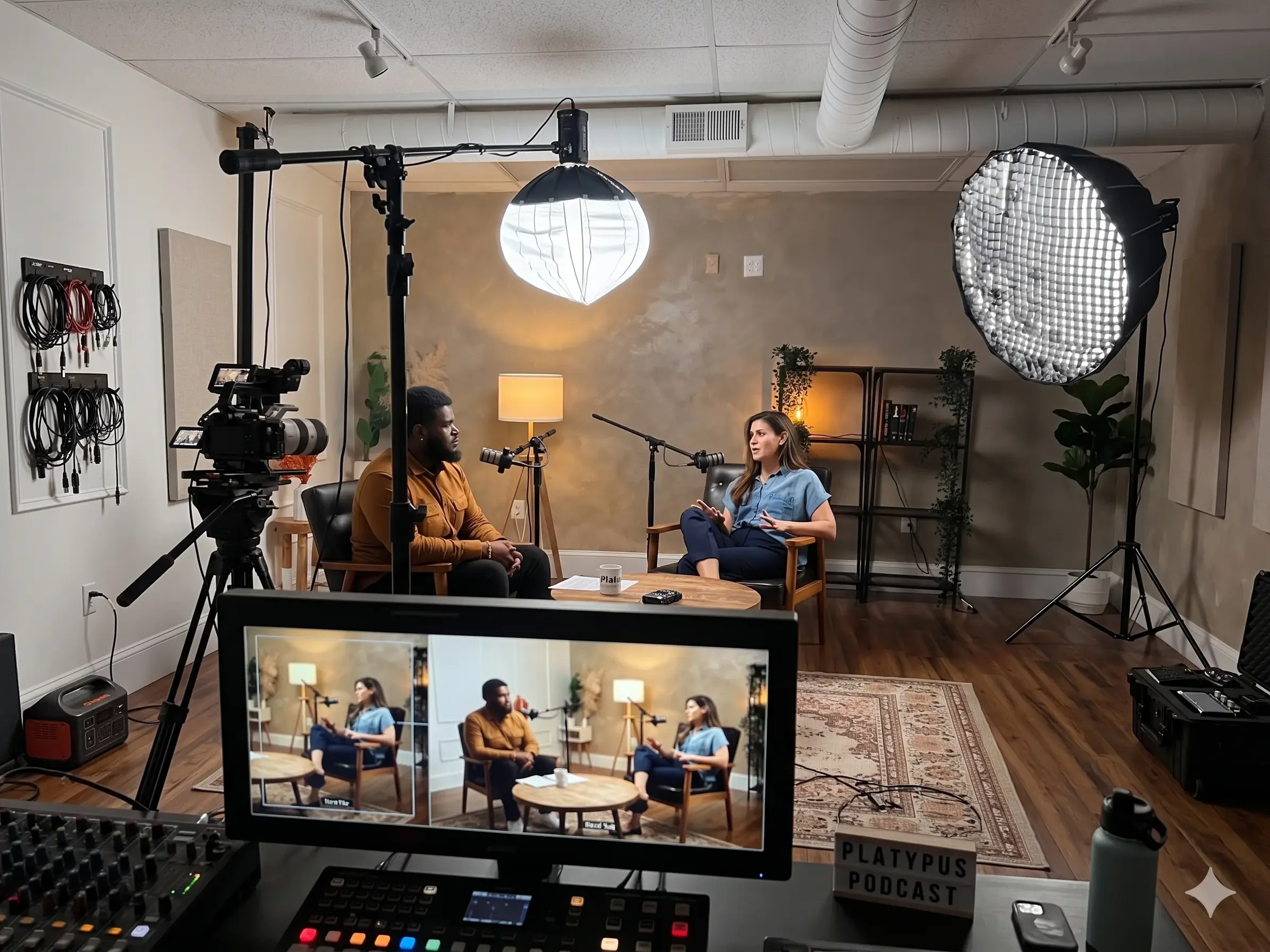
What we did: Filmed five full podcast episodes in a single studio day, multi-camera, built to look like they'd been doing it for years. Topics were a mix of founder story and the real questions their buyers were asking.
From that one day: five long-form episodes for YouTube and Spotify, twenty short clips for LinkedIn and Instagram, blog content, and website assets. Roughly six months of content from one day of their time.
What happened: Zero to over 1,000 LinkedIn followers in under three months, organic content plus a tightly targeted paid push. They walked into sales conversations already looking established.
Why this one matters: they didn't buy a video. They bought a content library that made a new company look like an incumbent. One day of their calendar.
3. The Hill Farm | Love the Hill, Harrisburg
The problem: a room of donors and nine minutes to move them.
Love the Hill built a working farm in the middle of urban Harrisburg. Grow food, give it away, bring school kids in to see where a meal comes from. Genuinely good work — and almost impossible to explain in a slide deck.
They needed a film that could walk into their annual fundraiser and make people feel the weight of it, right before the ask.
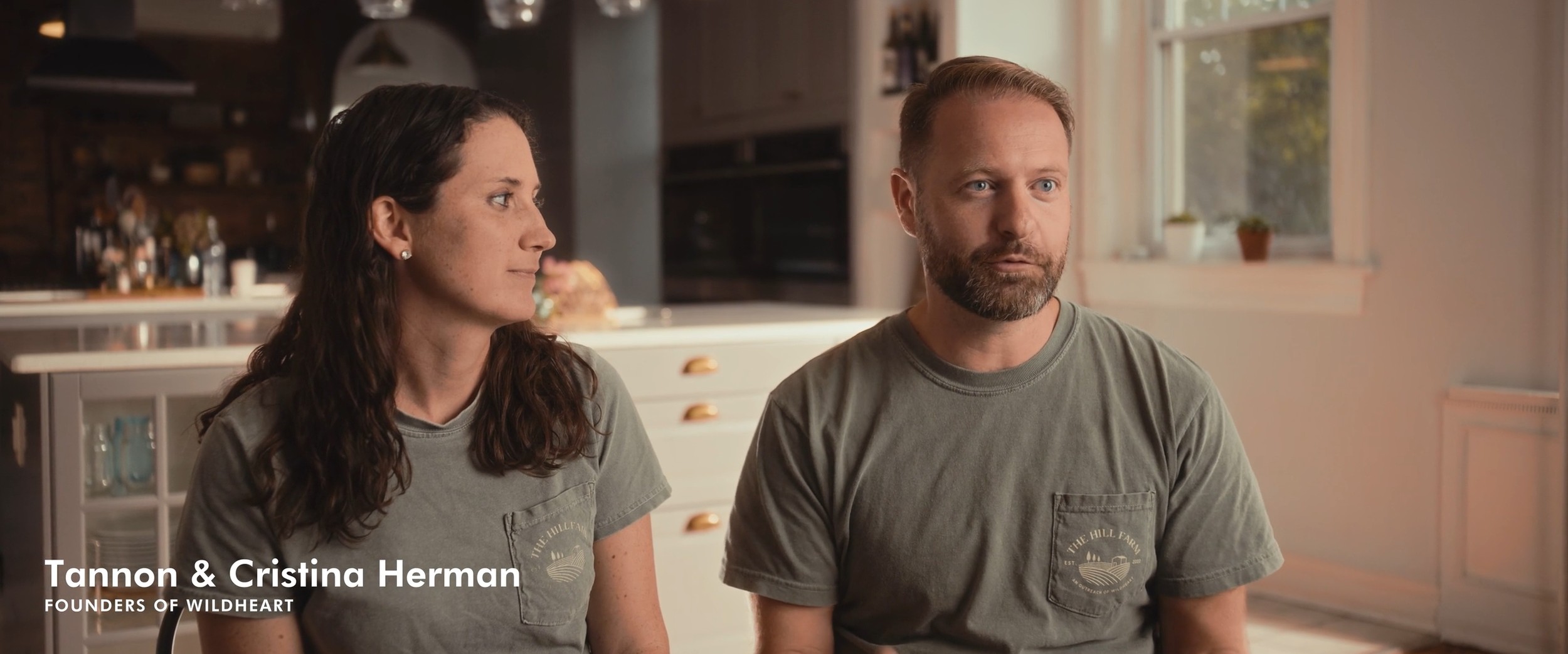
What we did: Spent time with the founders, the volunteers, and the kids. Built a nine-minute documentary tracing the farm from idea to impact. It screened live, immediately before donors were asked to give.
What happened that night:
$41,000 raised during the presentation
Average gift rose from $340 to $460 — up 35%
Fewer donors in the room than the previous year, and the total still grew over 10%
Why this one matters: the film didn't ask people to care. It built the conditions where caring became the obvious response. That's a different craft than making something look nice, and it's the one that moves money.
4. Intermex | Miami & Guatemala
The problem: convince investors with something other than a spreadsheet.
A multinational moving over $500m a year needed investor buy-in. We had three weeks to produce a full documentary.
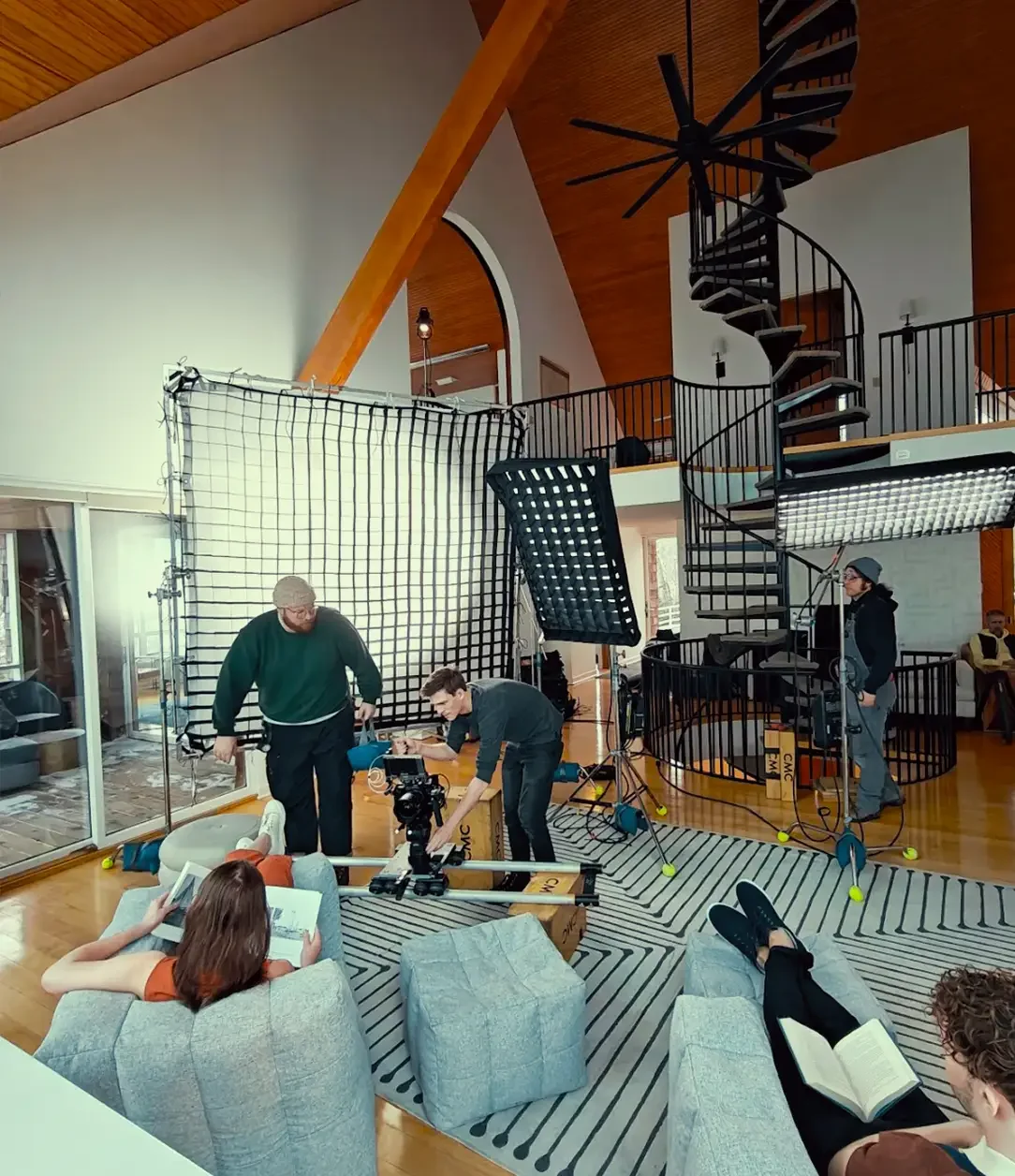
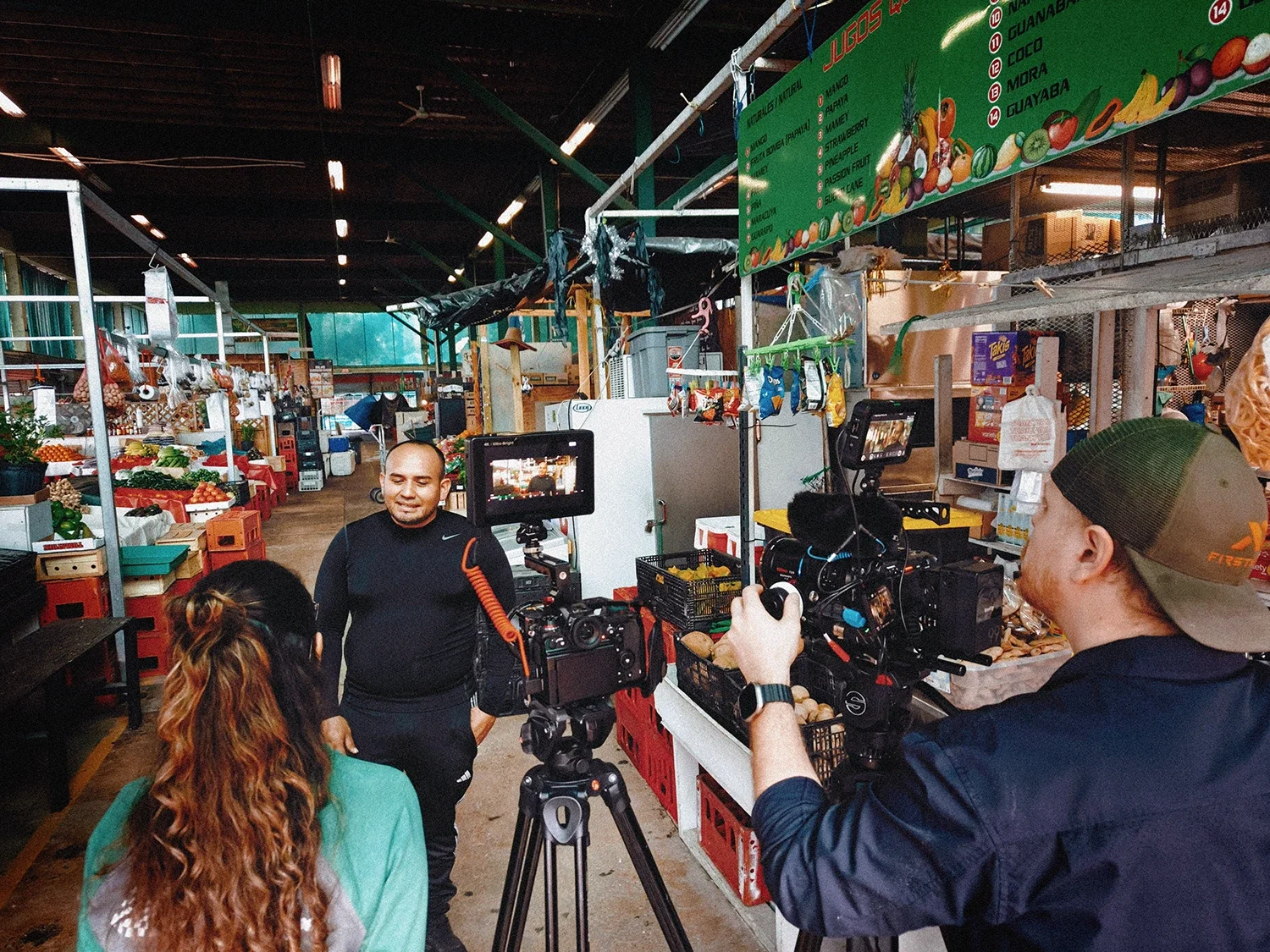
What we did: Traveled to Florida and Guatemala. Filmed real customers, unscripted. Cut it to feel closer to a Netflix short than a corporate video — while still landing the hard numbers investors needed.
What happened: It played in the investor meeting. I'm told people in suits started crying. The raise succeeded. Intermex was later acquired by Western Union.

If you're thinking one of these things, read this part:
-
That's a normal starting point. And it's not your job to solve it.
Your job is to tell me what a good month looks like for your business. My job is to work backward from that to what we should film, how much content we need, and where it should run.
You don't need to arrive with a creative brief.
You need to arrive knowing what you want to happen.
-
I believe you. It's probably the most common story I hear.
It happens because most video people are hired to execute a request. You ask for a video. They make a video. They hand you a file. Everyone shakes hands.
Nobody was ever responsible for what happened next.
The difference isn't the camera gear.
It's that the distribution plan exists before we shoot and that plan determines what we shoot.
Thermal Logistics didn't get 100+ leads because the footage was pretty. They got them because we knew, on day one, exactly which ads the footage was becoming, who would see them, and what we wanted those people to do.
-
You do. And I want to be straight with you about the trade.
Those agencies are usually good at one half of this: buying media.
They'll take creative you already have and put it in front of people efficiently. If you have a library of strong footage sitting on a hard drive, that can be a great deal.
What they generally don't do is come to your job site, get your best customer relaxed enough to say something real on camera, and build the creative worth putting money behind.
They'll ask you to send assets.
If you don't have them, they'll use stock footage, AI generated video, or generic graphics over a music bed and then run your ad dollars behind creative that doesn't convert.
I do both halves.
And because I'm based in Central PA, when we need another shoot day, it's a Tuesday not a travel budget.
If your ads are already converting and you just need cheaper media buying, hire the remote agency.
That's a real answer, and I'd rather tell you now than after you've paid me.
-
You can. And Google Ads can be great.
But there's a big difference between capturing a lead and getting there first.
When someone searches for you on Google, you're competing with everyone else on the page. They see five, ten, maybe fifteen options and start comparing.
With video, we can introduce you to the right person before they're searching.
They see your face. They hear how you talk. They understand what makes you different. And when the need eventually comes up, you're not one of ten companies they found on Google.
You're the company they already know.
I tend to think of it like real estate.
Google PPC is like showing up on Zillow after the house is listed and competing with every other agent.
Video is finding the homeowner before they list the house and becoming their agent before anyone else even knows it's for sale.
That's the advantage of getting there early.
What happens on our call:
Twenty to thirty minutes.
I'll ask what a good month looks like for you, what you've tried, and what you're currently spending to get customers.
You'll ask me whatever you want.
At the end, one of three things happens:
I tell you what I'd do and what it costs
I tell you to spend the money somewhere else first
we agree it's not a fit.
All three are fine outcomes.
There's no presentation or pressure. Just an honest conversation about whether I can help.
- Luke Covert | Covert Film
Central Pennsylvania, Working nationwide